


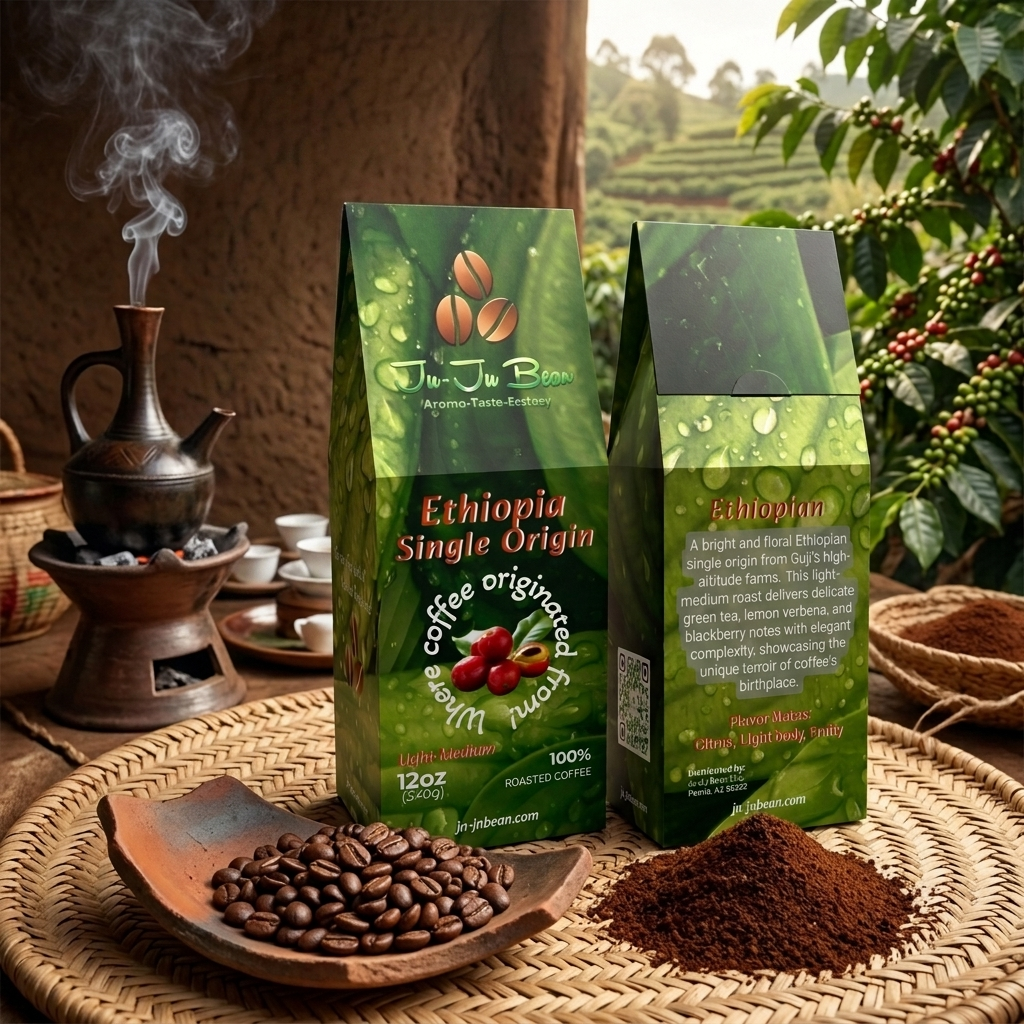

Single Origin (SO), the difference
Single-origin coffee refers to beans sourced from a specific geographic region, farm, or even a single harvest, as opposed to blended coffees that combine beans from multiple origins. This distinction fundamentally affects flavor, traceability, and quality.
The primary difference lies in terroir—the environmental factors unique to a region. Single-origin beans reflect the soil composition, altitude, climate, and rainfall patterns of their specific location. These conditions directly influence how the coffee plant develops, the density of the beans, and the concentration of flavor compounds. A single-origin coffee from one region will taste distinctly different from the same varietal grown elsewhere, even if cultivation practices are identical.
Blended coffees, by contrast, combine beans from different origins to achieve consistency and balance. Roasters blend origins to create a uniform flavor profile year-round, mask quality variations, or reduce costs by mixing premium beans with lower-grade alternatives. While blending can produce pleasant, balanced cups, it obscures the unique characteristics of individual origins.
Single-origin coffees offer transparency and specificity. You know exactly where your beans came from, often down to the farm or cooperative. This traceability supports direct relationships between roasters and producers, ensuring fair pricing and sustainable practices. Specialty coffee enthusiasts value single-origin offerings because each origin tells a story through its flavor—Ethiopian coffees often display bright acidity and fruity notes, while Indonesian coffees tend toward earthy, full-bodied profiles.
Quality control also differs significantly. Single-origin producers typically employ selective harvesting, careful processing, and rigorous sorting to maintain consistency within their specific crop. Blended coffees may use mechanized harvesting and standardized processing designed for volume rather than quality, as the blending process can compensate for minor inconsistencies.
The price premium for single-origin coffee reflects these factors: limited supply, specialized cultivation, meticulous harvesting, and the ability to command higher prices based on origin reputation and flavor distinctiveness. Standard blends prioritize affordability and consistency over complexity.
Tested, certified and all natural
Every single-origin bean in our collection is sourced from certified sustainable estates and undergoes rigorous third-party testing to verify origin authenticity and the complete absence of synthetic pesticides, chemical residues, and unnatural growing methods. We maintain full traceability from seed to cup, working exclusively with growers who employ natural pest management and prioritize soil health. The result is coffee that expresses pure terroir—nothing added, nothing hidden, nothing compromised.
Why buy the our Single Origin coffee
At Ju-Ju Bean, we believe true premium coffee begins with unwavering commitment to purity and origin integrity. Every single-origin bean in our collection is sourced directly from exotic farms around the world—our roasting partner for Ju-Ju, works side-by-side with us to always secure relationships built on trust and transparency.
We ensure that all our coffees are completely free from microtoxins, heavy metals, and machine processing. Each bean is hand-selected by the skilled farmers who know their land intimately. This meticulous approach ensures that what reaches your cup is nothing less than authentic, unadulterated coffee in its finest form.
There are no shortcuts, no compromises, and no mass-production shortcuts in our process.
The Ju-Ju Bean difference is this: we don't just sell coffee. We source growers who share our obsession with excellence, we eliminate every potential contaminant and processing flaw, and we deliver beans that taste exactly as nature and craft intended. When you buy from us, you're investing in transparency, purity, and a direct connection to the origins that make each coffee extraordinary.
Ethiopia, the birthplace of coffee
The Legend of Coffee's Discovery
Coffee's origins trace to the highlands of Ethiopia, where the plant grew wild among the misty mountains. According to tradition, a goat herder named Kaldi noticed his animals becoming unusually energetic after eating berries from a particular shrub. Curious, he sampled the berries himself and experienced an invigorating effect. He brought his discovery to a nearby monastery, where monks initially disapproved but eventually recognized the berries' ability to keep them alert during long prayer sessions.
The monks began cultivating the plant deliberately, drying and boiling the berries to create an early form of coffee. Word spread through the Arabian Peninsula and into the Islamic world, where coffee became deeply woven into daily life and social custom. By the 15th century, coffeehouses flourished in Mecca and Cairo, becoming centers of intellectual exchange and commerce.
Ethiopian coffee remained the world's primary source for centuries. The plant thrived in Ethiopia's volcanic soil and high altitude—conditions that produced beans with distinctive fruity and floral notes. Local farmers developed sophisticated cultivation methods suited to the region's terrain, creating the foundation for the single-origin coffees prized today.
The Ethiopian highlands, particularly regions like Yirgacheffe, Sidamo, and Harrar, became legendary for their coffee quality. These areas' elevation, rainfall patterns, and soil composition created ideal growing conditions. Farmers harvested cherries by hand, often using methods passed down through generations, preserving the craft that made Ethiopian coffee synonymous with premium quality and authenticity.